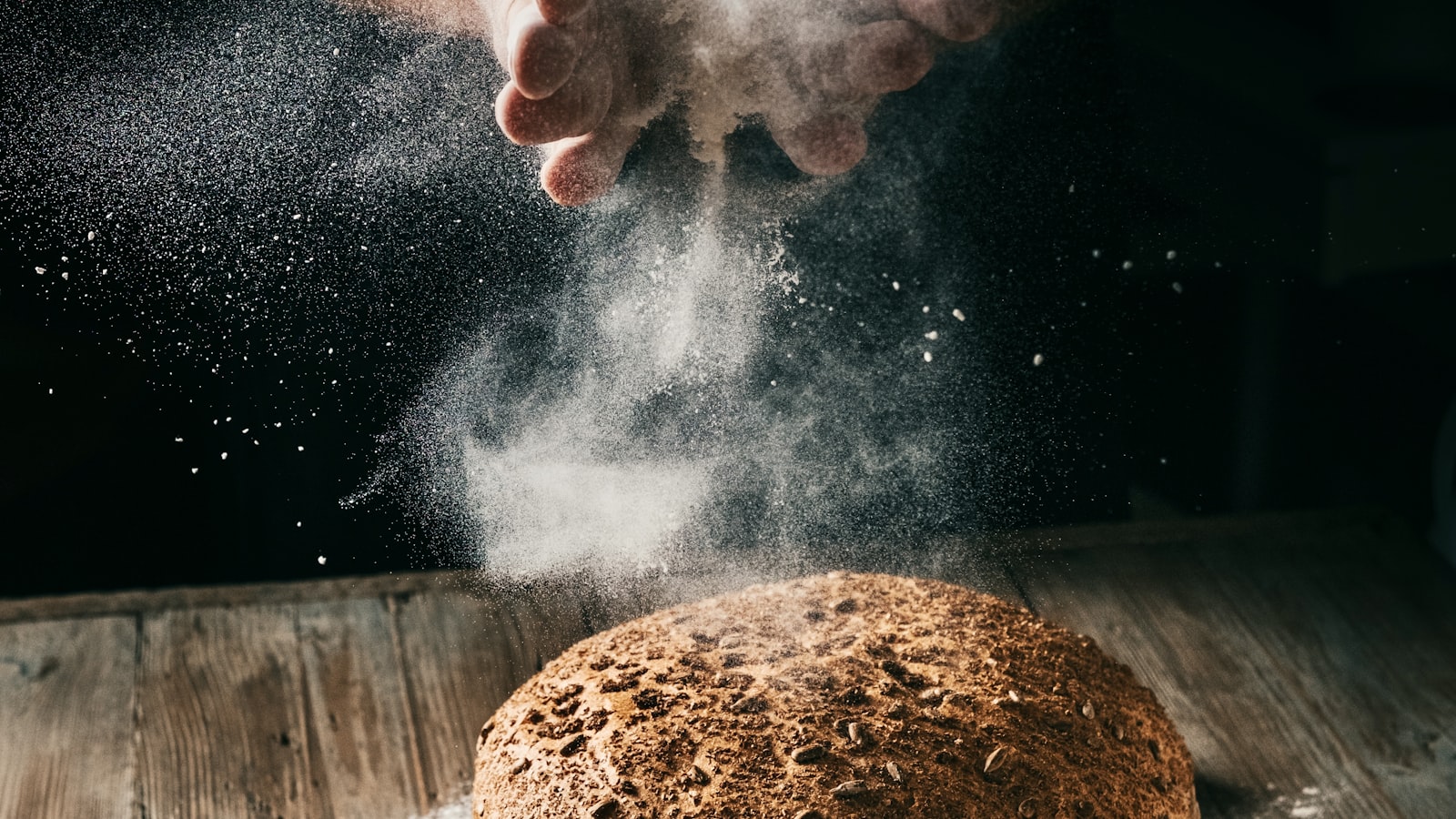
Here is a fact I did not know until I started researching this for JenSkin: the same process that browns and hardens a piece of bread in a toaster is happening, at a much slower pace, inside your skin. Every day. And it is being driven by sugar in your blood.
The technical name is glycation. And it is one of the most important — and least discussed — drivers of how skin ages.
Let me explain.
What glycation actually is.
Sugar in your blood is a lively molecule. It doesn't just float around passively. It gets attached — chemically bonded — to whatever proteins it happens to bump into. The higher your blood sugar, and the longer it stays that way, the more of these bonding events happen.
When a sugar molecule attaches to a protein, that protein becomes something new: a glycated protein. Chemists call the end product an advanced glycation end product — abbreviated AGE, which is an unfortunate coincidence. AGEs are, essentially, sugar-crusted proteins that don't work the way the un-crusted version does.
The analogy I keep in my head: your car left in the sun. Left out for one day, no problem. Left out for a decade, the paint fades, the dashboard cracks, the rubber gets brittle. Nothing dramatic happens on any single day. Everything happens over years, quietly, from a low-grade force acting on the same materials.
Sugar and skin do the same thing.
Why this shows up in skin specifically.
Your skin's structural proteins — collagen and elastin — are especially vulnerable to glycation for two reasons.
They live a long time. Most proteins in your body get turned over — broken down and rebuilt — in days or weeks. Collagen in your skin has a half-life of about 15 years. So sugar molecules that attach to your collagen today are still going to be attached to your collagen when you are older. Damage accumulates.
They are supposed to stretch and snap back. That is the whole point of elastin, and a big part of what collagen does. When you glycate them, they cross-link — sugar bridges form between different collagen fibers, and the fibers can't slide past each other the way they're supposed to. Skin loses its elasticity. Its structure gets stiffer and more brittle. You feel that as skin that has less snap-back than it used to.
There is a name for the visible pattern this creates over decades. It is the leathery, papery quality that shows up over years of not-quite-controlled blood sugar. It is not usually about being diabetic. It is about being chronically slightly high, over years.
HbA1c — the number that measures it.
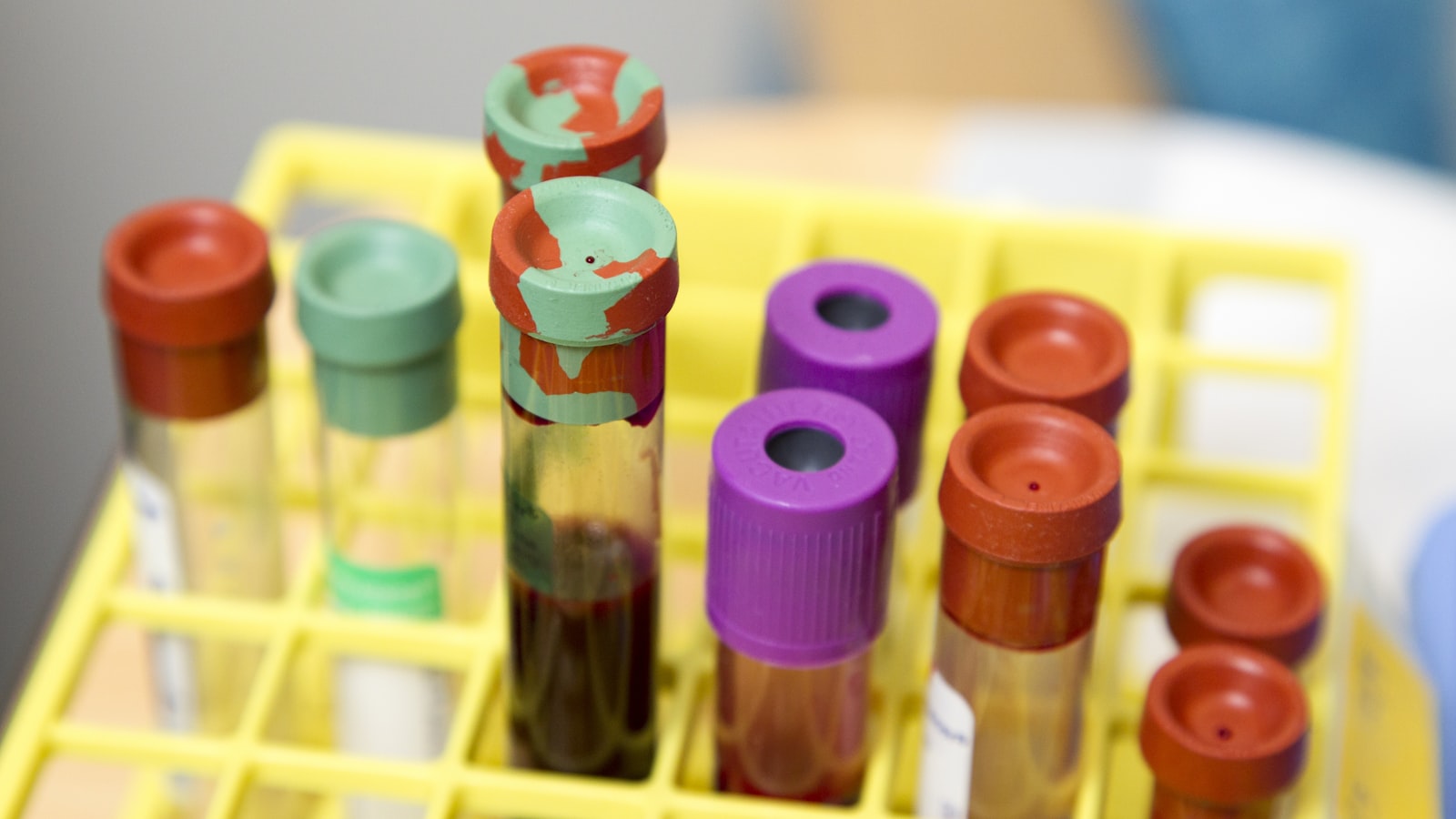
HbA1c stands for glycated hemoglobin. That word — glycated — is the same word. It means: the percentage of the hemoglobin in your blood that has been sugar-crusted.
Hemoglobin gets replaced about every 90 days. So HbA1c is essentially a 90-day rolling average of how much sugar has been available in your blood to bond to proteins. It doesn't just measure diabetes risk. It measures how much glycation is happening in your entire body, including in your skin.
Most standard reports will call your HbA1c "normal" as long as it's below the pre-diabetic threshold. But there is a meaningful difference between "not pre-diabetic" and "optimal for skin longevity." The gap between the two is where a lot of women live without knowing it.
What glycation responds to.
The good news, and the reason this matters: glycation is entirely a function of what you eat, when you eat, and how your metabolism handles what you eat. You have significant leverage.
Reduce refined carbohydrates. The most predictable way to lower your average blood sugar. White bread, sugary drinks, pastries, sweetened yogurt, most breakfast cereals. Not "never." Just less often.
Eat protein and vegetables first in a meal. There is real research on this. When you eat protein and fiber before the carbs in the same meal, the blood sugar spike from those carbs is measurably smaller. This is a free intervention.
Walk after meals. Ten to fifteen minutes of moderate movement in the hour after eating pulls sugar out of your blood and into your muscles. It measurably lowers post-meal spikes.
Add resistance training. Muscle is your body's sugar buffer. More muscle means better sugar handling all day. Two to three short strength sessions a week is a real needle-mover.
Sleep. Poor sleep raises your fasting glucose the next morning noticeably. This is one of the most consistent findings in metabolic research. If your HbA1c is quietly high and your sleep is bad, sleep is the first thing to fix.
Consider a continuous glucose monitor for two weeks. Not forever. Not as an ongoing thing. Just as a two-week experiment to see which specific foods spike your blood sugar. It is one of the most educational things you can do. Companies like Levels, Nutrisense, and Signos will send you one for a monthly fee.
The line to remember.
Every day of high blood sugar is a small amount of sugar attaching to the collagen in your face.
This is not a metaphor. This is what is happening, right now, in the tissue that gives your skin its shape. It is one of the reasons diabetic skin ages faster than non-diabetic skin — and it is one of the reasons that women who quietly run in the pre-diabetic range for a decade tend to develop the specific kind of skin quality that we associate with "just aging."
That aging is not just aging. Some meaningful percentage of it is sugar in the collagen.
The number tells you how much.