If your body were a bakery, and collagen were the cake it makes every day of your life, then zinc would be the flour.
You can have the recipe. The oven. The pan. The eggs. All the intention in the world. But if the flour bin is running low, you cannot make the cake — not really. Not the way it's supposed to come out.
This is what happens with zinc, quietly, in most women's bodies.
What zinc actually is.
Zinc is one of the essential trace minerals — meaning your body needs it, cannot make it, and has to get it from food or a supplement. It sits inside more than 300 enzymes in your body, acting as a cofactor. That word — cofactor — is doing a lot of work in that sentence. It means: without zinc, those 300 enzymes cannot do their jobs.
Several of the most important of those jobs are in your skin.
What zinc does for skin.
Three things matter most.
Collagen synthesis. The enzymes that build collagen — the actual construction crew inside your fibroblasts — require zinc to function. Low zinc means slower collagen production. Not overnight. Over months and years. The scaffolding gets thinner because the crew doesn't have enough of one of its essential materials.
Wound healing. Every scratch, cut, pimple, or micro-tear on your skin depends on zinc-dependent enzymes to close and repair. Women with low zinc consistently show slower healing — bruises that linger, pimples that leave marks for months, small cuts that don't fully knit for weeks. It shows up first in the small things.
Immune function in the skin. Zinc is deeply involved in how your skin fights off bacteria and regulates its inflammatory response. Low zinc is one of the reasons some women experience persistent low-grade acne, or find that their skin is more reactive than it used to be. Zinc lozenges have been part of cold treatment for decades for a reason — the same mineral matters for skin immunity.
The symptoms of quietly low zinc.
None of these are diagnostic. Any single one is probably nothing. But when three or four show up in the same woman, zinc is often quietly running low.
- Slow-healing bumps, scratches, or bruises.
- Marks that hang around long after the actual pimple is gone.
- Brittle nails, or nails with small white flecks in them.
- Hair that's thinning at a rate you don't remember from a few years ago.
- Skin that feels like it's not repairing at the pace it used to.
- A generally slower response to any skincare product you use.
Your body prioritizes zinc for the systems it considers most essential — immunity, wound healing in critical places, taste and smell — before it gives it to your hair and skin. So when zinc is running low, hair and skin are usually the first places you'd notice.
What zinc responds to.
Supplementation is the fastest lever. The form that matters most is zinc picolinate — it's the form your body absorbs most efficiently.
- Dose: 15 to 30 mg per day, once a day.
- When: with a meal, ideally in the evening.
- What not to combine at the same time: calcium supplements, iron supplements, or high-fiber cereal. They compete for absorption. Space them apart by at least two hours.
- How long: most women see meaningful movement in blood zinc within 8 to 12 weeks.
Foods high in zinc: oysters (by a wide margin the highest), beef and lamb, pumpkin seeds (the plant winner), chickpeas, lentils, cashews.
The nuance nobody mentions.
Zinc and copper compete with each other in the body. If you take high doses of zinc for a long time without paying attention, copper levels can drop — and copper is also involved in collagen synthesis (specifically, in the enzyme that cross-links collagen fibers for strength).
The practical answer: don't take more than 40 mg of zinc per day without a reason. Most reputable zinc supplements now include a small amount of copper for this exact reason. If you're going to take zinc at high doses for more than three months, it's worth measuring copper at your next panel.
The line to remember.
Your body can only make cake with the flour it has.
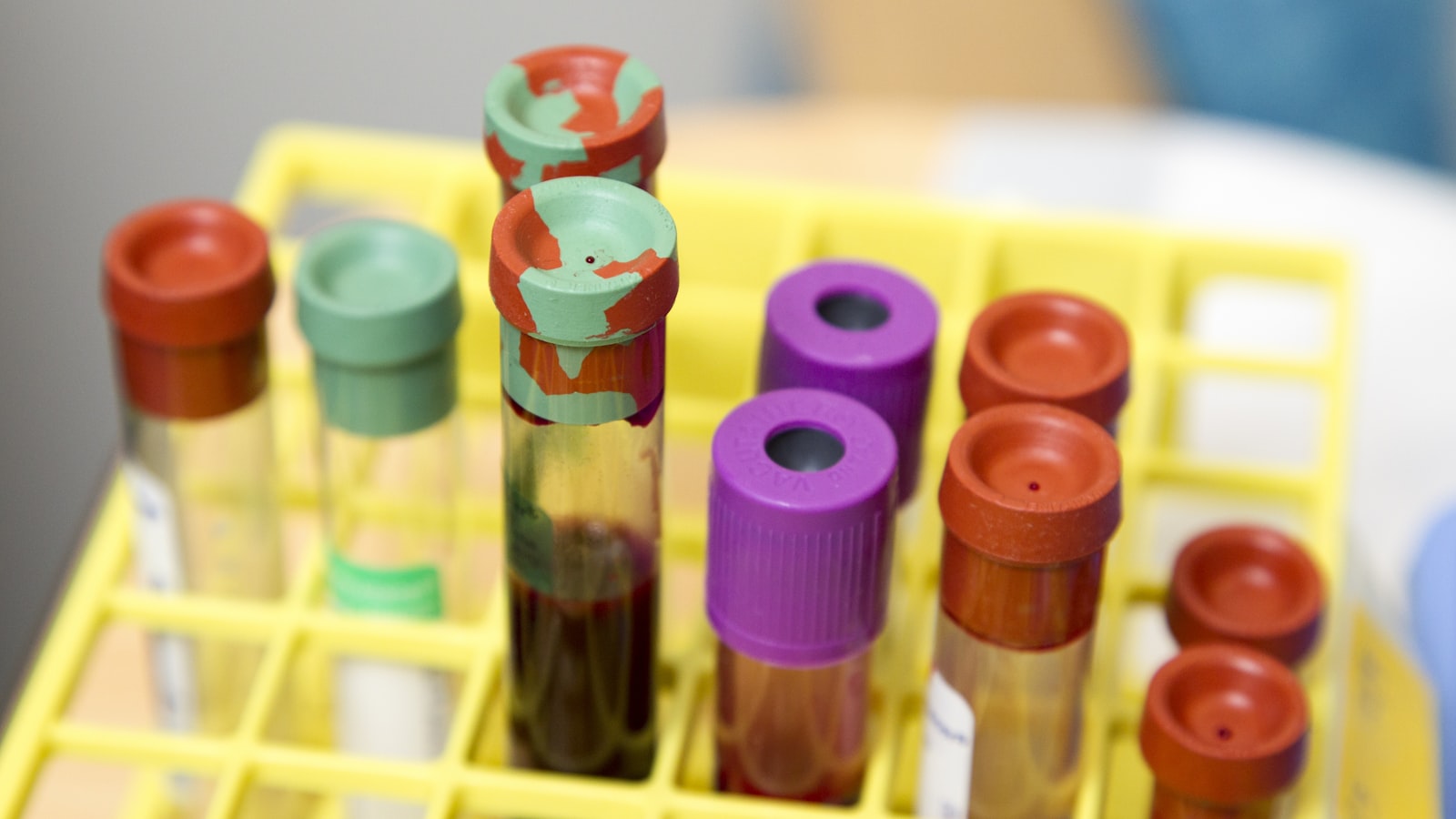
Zinc is one of the easiest, cheapest, most measurable things in the body — and one of the fastest to move once you know the number. If your skin isn't repairing the way it used to, if your nails are brittle, if pimples leave marks — check the flour bin first.