I'm going to tell you the exact moment JenSkin started.
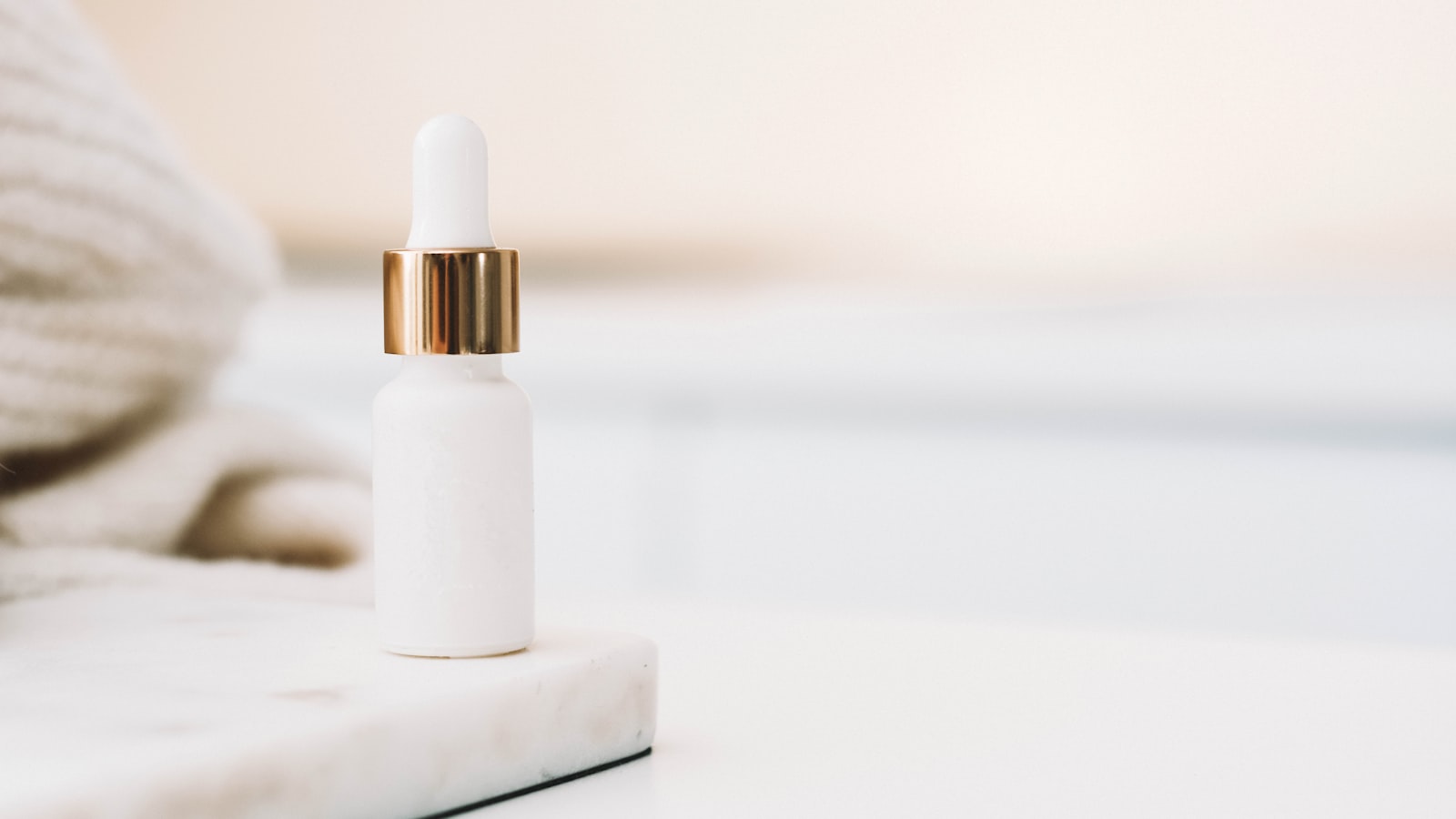
I was 33, standing in my bathroom with a $200 serum in my hand, and I asked myself a question I couldn't stop asking:
Why isn't this working?
I had done everything. The peels. The retinols. The vitamin C. The eye cream that promised to change my life. I'd stood in Sephora holding three different products and let a twenty-five-year-old tell me which one was going to solve it.
And my skin — my perfectly cared-for, expensively-serumed, dermatologist-approved skin — still didn't look like what I remembered it looking like.
For a while, I thought that was just what happens after kids. And it is, partly.
But then I started reading. The way you start reading anything when you're tired of the answers you're getting. And I found an idea that sat with me for months:
Your skin is the last place a nutritional deficiency shows up. The first place stress shows up. The loudest place inflammation shows up.
Which means when your skin is doing something you can't explain, your skin isn't the problem.
Your skin is the messenger.
And nobody had ever offered to translate the message.
I'm not a doctor. I'm not a biohacker. I don't run a wellness cult. I'm a mom who got curious.
I got curious about what a $200 serum actually is (it's roughly $8 of ingredients and $192 of marketing). I got curious about why my skin was changing in ways nothing on my counter was fixing. I got curious about what my dermatologist was and wasn't looking at.
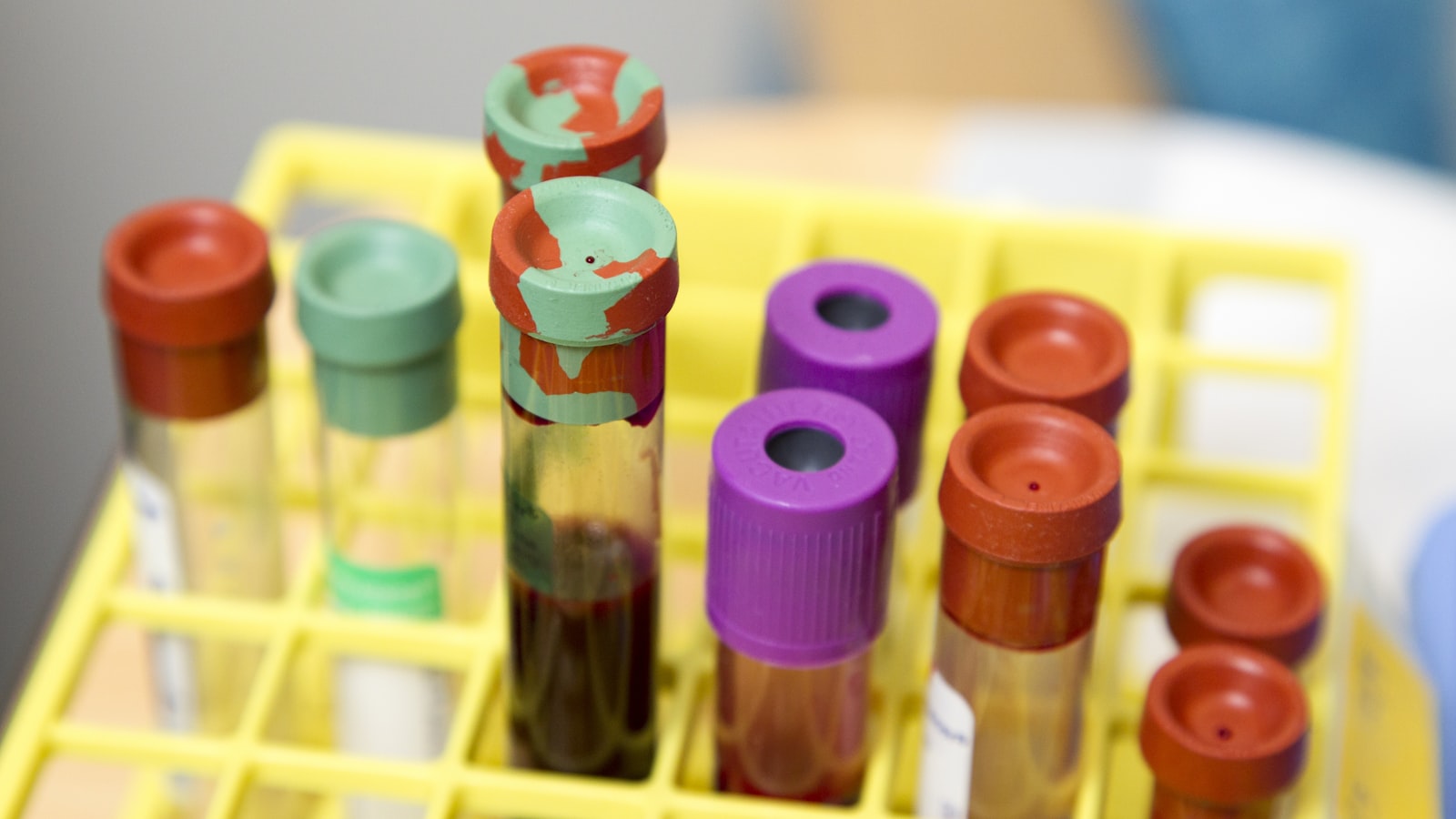
The answer to that last one turned out to be the interesting one. My dermatologist was looking at my skin. She was not looking at my blood.
The nine numbers nobody told me about.
Here's what I learned. It took me a year to learn it.
There are nine things in your blood — things any lab in the country can draw — that tell you a specific and honest story about how your skin is aging. Not one story. A story. A layered, personal, actually-yours story.
Whether your body is inflamed in ways that are quietly breaking down collagen. Whether you have enough vitamin D for your skin to repair itself after a summer afternoon. Whether your blood sugar is subtly cross-linking with the proteins that hold your face together — that word is glycation, and I'd never heard it before I went down this rabbit hole. Whether your hormones are where you think they are. Whether your body has the raw materials — zinc, omega-3s, B12 — to actually make and maintain the tissue that makes you look like you.
Nine numbers. One blood draw. A picture of what's actually going on.
I'd been trying to fix a symptom without ever asking what was causing it.
This is not a diagnosis. This is a mirror.
I want to be careful here, because there is a lot of wellness content that overpromises, and I refuse to be part of it.
The JenSkin panel isn't going to tell you if you have a disease. That is not what it does, and it's not what your skin needs. If something is medically wrong with you, please, go to your doctor.
But if you're the kind of woman who keeps asking why — why is my skin drier than it used to be, why do I bruise more easily, why does that redness never fully go away — then the panel is a mirror. It shows you what your skin is trying to tell you, in numbers you can actually see.
And from there, most of what you'd want to change, you can change. Inflammation responds to food. Vitamin D responds to sun and to a supplement that costs about $15. Zinc responds to a $12 bottle at any pharmacy. Blood sugar responds to how you eat and when you eat and how much you move.
These are not radical interventions. This is not a cleanse. This is not a $2,000 IV drip.
Find out what's actually happening, then make one or two small changes based on what you find out.
Who this is for.
I want to say this plainly, because most of wellness has been built for a very specific kind of person, and that person is not the majority of us.
JenSkin is for the woman who is tired of not being able to explain her own skin.
It's for the mom who has ten things going on at once and doesn't want another forty-five-minute wellness routine — she just wants the truth.
It's for the woman who has been told the answer is either a $400 laser or "just accept it," and neither of those feels right.
It's for the woman in her thirties or forties who wants to get ahead of it, and the woman in her fifties, sixties, or seventies who wants to understand it.
Right now, the women doing this with us range from their thirties to their seventies. Every one of them has found something in her numbers she didn't know before.
It's for anyone who has ever stood in a bathroom holding a serum and asked why isn't this working?
What comes next.
I'll be writing a lot here. This isn't going to be a marketing feed. It's going to be everything I've learned, everything I keep learning, and everything I wish someone had told me sooner.
We'll break down each of the nine biomarkers, one at a time, in plain language.
We'll talk about hormones and skin, because nobody talks about that honestly and it matters more than almost anything else.
We'll talk about what topical skincare can and can't do, and why the $200 serum is not the villain of the story — it just isn't the hero either.
And we'll share stories from real women in the JenSkin community, because the panel isn't the point. What people do with the information is the point.
If you've read this far, you're the person I built this for.